Menopause Nutrition & Strength Training: How to Fuel, Lift, and Protect Muscle After 40
"Combat anabolic resistance, protect bone density, and manage midlife visceral fat with our coach-led menopause nutrition and joint-safe lifting guide."

Menopause Nutrition & Strength Training: How to Fuel, Lift, and Protect Muscle After 40
By H. Richards · August 24, 2026 · 14 min read
"Navigating perimenopause or post-menopause and noticing that the diet and exercise routines that used to work have stopped working? Discover the science of anabolic resistance, how to structure whole-food nutrition, and why joint-friendly resistance training is essential for midlife health."
Why the Rules Change After 40
If you are navigating perimenopause or menopause, you have likely noticed that your body responds differently to food and exercise than it did a decade ago.
You might be eating the same way, walking regularly, or pushing through intense cardio sessions, yet noticing:
- Unwanted shifts in body composition (particularly increased visceral fat around the midsection).
- A persistent drop in daily energy, paired with disrupted sleep.
- A sense that your joints feel stiffer and recovery from workouts takes longer.
This is not a failure of willpower. It is a predictable biological shift driven by fluctuating and declining 17β-estradiol (estrogen) and progesterone.
Estrogen is not merely a reproductive hormone; it is an anabolic and metabolic master regulator. It influences insulin sensitivity, regulates where body fat is deposited, stimulates muscle protein synthesis, and maintains bone mineral density.
When estrogen levels decline, the body enters a state known as anabolic resistance. To thrive in this new hormonal landscape, the standard advice of "eat less and do more cardio" must be retired. Midlife women do not need to starve their bodies; they need to signal muscle preservation and metabolic health.
The Two Non-Negotiables: Protein & Resistance Training
1. Overcoming Anabolic Resistance
Anabolic resistance means your muscle cells become less responsive to standard amounts of dietary protein. In your 20s, consuming 15–20 grams of protein in a meal was sufficient to trigger muscle protein synthesis (the biological mechanism that maintains and builds lean muscle).
After 40, your body requires a higher concentration of essential amino acids—specifically leucine (at least 2.5–3.0 grams per meal)—to flip that same metabolic switch.
- The Protein Anchor: Rather than grazing on low-protein snacks throughout the day, aim for 30g to 40g of quality protein per meal across 3 structured meals.
- Whole-Food Sources: Emphasize high-leucine whole foods such as eggs, Greek yoghurt, salmon, lean beef, chicken breast, firm tofu, and edamame.
Calculate Your Midlife Protein & Calorie Floor
Stop under-eating. Enter your age, weight, and activity level into our free tool to see your exact per-meal protein distribution:
Open Free NZ TDEE & Macro Calculator →2. Mechanical Tension for Bone Mineral Density (Osteopenia Prevention)
Every year after menopause, women lose an average of 1–2% of their bone mineral density and approximately 1% of their skeletal muscle mass if progressive strength training is absent.
Cardiovascular exercise like walking, swimming, or cycling is wonderful for heart health, but it does not provide enough compressive mechanical load to stimulate bone remodeling or protect lean muscle.
Your bones and muscles only adapt when they are asked to resist an external load through progressive resistance training.
Whole-Food Menopause Nutrition: The 30/40/30 Blueprint
Extreme low-carb or zero-fat diets are counterproductive during menopause. Cutting carbs elevates cortisol (which worsens hot flashes, sleep disturbances, and belly fat storage), while dropping fats impairs steroid hormone production.
Instead, build each plate using a balanced, whole-food framework:
| Plate Component | Target Share | Ideal NZ Supermarket Staples |
|---|---|---|
| Protein | 30% of energy (~30–40g/meal) | Free-range eggs, unsweetened Greek yoghurt, canned tuna/salmon, lean beef mince, skinless chicken breast, tempeh. |
| Smart Carbs | 40% of energy (High Fibre) | Kumara, rolled oats, quinoa, brown rice, berries, lentils, chickpeas. |
| Healthy Fats | 30% of energy | Extra virgin olive oil, avocado, walnuts, pumpkin seeds, tahini. |
| High-Fibre Produce | Half your plate | Leafy greens, broccoli, asparagus, carrots, courgettes, tomatoes. |
Prioritizing Gut Health & Phytoestrogens
- Dietary Fibre: Aim for 28–35g of fibre daily. Dietary fibre feeds beneficial gut bacteria that help clear recycled estrogens and regulate insulin sensitivity.
- Phytoestrogens: Whole soy foods (edamame, tempeh, organic tofu) and ground flaxseeds contain isoflavones and lignans—plant compounds that weakly bind to estrogen receptors, helping smooth out hormonal fluctuations.
The Menopause Strength Protocol: Joint-Friendly, Low-Inflammation Lifting
High-intensity interval training (HIIT) and daily bootcamps often leave midlife women feeling inflamed, exhausted, and retaining water due to cortisol dysregulation.
Instead, perform two to three 35-to-45-minute full-body strength workouts per week, focusing on joint-friendly compound movements with adequate rest.
Day 1: Pelvic Stability & Hinge
- Dumbbell Romanian Deadlift (RDL): 3 sets x 8–10 reps (glute and hamstring load, preserves hip bone density)
- Neutral-Grip Dumbbell Flat Bench Press: 3 sets x 8–10 reps (elbow- and shoulder-friendly chest press)
- Chest-Supported Dumbbell Row: 3 sets x 10–12 reps (upper back posture and scapular stability)
- Half-Kneeling Cable or Band Pallof Press: 2 sets x 12 reps per side (anti-rotation core strength)
Day 2: Lower-Body Strength & Vertical Pull
- Dumbbell Goblet Squat (Heels Elevated): 3 sets x 8–10 reps (knee-friendly quadricep and hip loading)
- Lat Pulldown (Neutral or Underhand Grip): 3 sets x 8–10 reps (latissimus and grip strength)
- Dumbbell Incline Bench Press: 3 sets x 10–12 reps (shoulder and upper chest support)
- Suitcase Carry: 3 rounds x 30 paces per arm (core stability, balance, and grip)
Day 3: Joint-Safe Hypertrophy & Density (Optional or Rotational)
- Machine Leg Press: 3 sets x 10–12 reps (high mechanical tension without axial spinal load)
- Single-Arm Dumbbell Row: 3 sets x 10 reps each side
- Seated Dumbbell Overhead Shoulder Press: 2 sets x 10–12 reps
- Glute Bridge or Hip Thrust: 3 sets x 12–15 reps
Managing Fatigue, Joint Pain, and Sleep
- Protect the Sleep Window: High-temperature night sweats and sleep fragmentation blunt muscle recovery. Keep your bedroom cool, avoid heavy meals within 2 hours of bedtime, and consider 300–400mg of elemental magnesium glycinate in the evening.
- Hydration & Electrolytes: Declining estrogen reduces the body's ability to retain fluid and electrolytes. Drink 2–2.5 litres of water daily, especially around workouts.
- Respect Recovery: If you had a sleepless night due to vasomotor symptoms, do not force a high-intensity session. Swap it for a 30-minute brisk outdoor walk and lift the following day.
Looking for Supportive Strength Coaching in Christchurch?
Train in our quiet, private Addington studio (12 Show Place, inside Get Me Fitter). We specialize in joint-safe, coach-led strength training tailored specifically for women navigating perimenopause and menopause.
Book a Free Studio Consultation →Frequently Asked Questions
What is the best exercise for menopause belly fat? Progressive resistance training combined with daily walking (7,000–10,000 steps) and a protein-led diet. Resistance training preserves metabolically active muscle tissue, improves insulin sensitivity, and prevents fat from accumulating around visceral organs.
Why am I gaining weight during perimenopause even though I eat clean? Declining estrogen alters insulin sensitivity and lowers your baseline resting metabolic rate through gradual, unnoticed muscle loss. Furthermore, elevated cortisol from life stress, poor sleep, and excessive cardio signals the body to store visceral fat. Prioritizing protein and heavy, controlled lifting resets this balance.
How much protein should a woman in menopause eat? Most women over 40 thrive on 1.6 to 2.2 grams of protein per kilogram of target body weight daily, distributed across 3 meals with 30g+ of protein per meal to trigger muscle protein synthesis.
Should I stop doing cardio during menopause? No, but cardio should not be your primary weight management tool. Replace exhausting, high-cortisol cardio sessions with 2 to 3 days of progressive lifting, and keep your cardio focused on joint-friendly walking or easy cycling.
Common Inquiries on this Topic
FAQ Section
Do I need a special menopause diet in NZ?
No. Most women do better with a balanced eating pattern than a restrictive “menopause diet”. Focus on protein, calcium-rich foods, fibre, healthy fats and overall meal quality.
Should I take vitamin D in New Zealand during menopause?
Not necessarily. Many New Zealanders can meet their vitamin D needs from sun exposure, but some women are at higher risk of low levels, especially with limited sun exposure, darker skin, frailty, or living further south. It is worth discussing with your GP if you are unsure.
What are good calcium-rich foods in NZ?
Milk, yoghurt, cheese, fortified soy milk, tofu, and some tinned fish with bones are all practical options. Osteoporosis New Zealand advises adults to aim for two to three servings of calcium-rich foods a day.
Can menopause nutrition help with belly fat?
It can support better body composition, appetite control and long-term health, but there is no food that targets belly fat specifically. Usually the biggest wins come from protein, better meal structure, strength training, sleep and consistency.
Do I need supplements for menopause nutrition?
Some women may benefit from supplements such as vitamin D or protein powder, but supplements should solve a real problem, not replace good meals. Food first is usually the best place to start.
References & Clinical Sources
References
- Healthify. Calcium.
- Healthify. Bones: how to keep them healthy.
- Healthify. Colecalciferol.
- New Zealand Ministry of Health. Vitamin D and sun exposure in New Zealand.
- Osteoporosis New Zealand. Calcium and Vitamin D.
- Osteoporosis New Zealand. Nutrition for Bones.
- Osteoporosis New Zealand. Guidance for New Zealand.
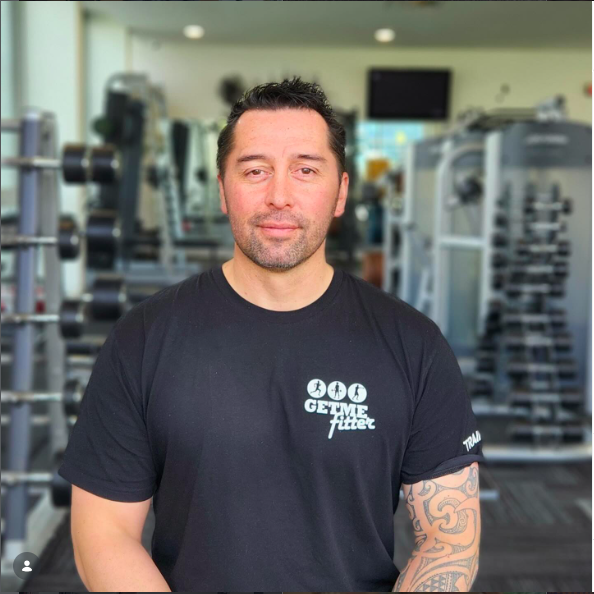
H. Richards
Personal TrainerWith over 20 years of experience coaching high performers, H. Richards delivers precision training frameworks built on evidence and practical application. His approach cuts through the noise to help you achieve sustainable results, backed by consistently excellent 5-star client reviews.
Explore Coaching ProgramsIf you want help building a realistic nutrition plan for this stage of life, WRK can help you keep it simple, practical and actually doable.
Take our 2-minute assessment to evaluate your current protein intake and training consistency.
Take the Free AssessmentRelated Guides & Protocols
 Nutrition
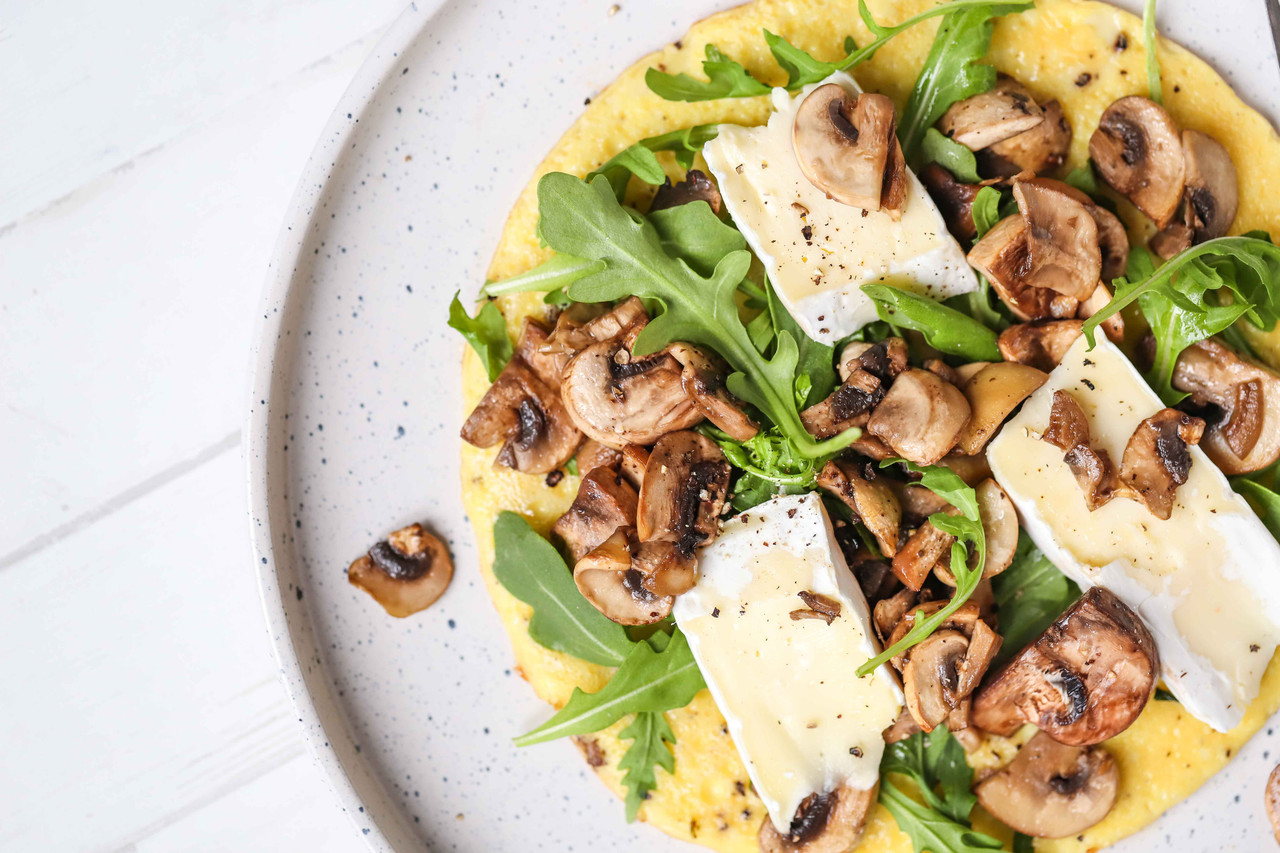
High-Protein Breakfast Ideas That Actually Keep You Full
A good high-protein breakfast can do more than bump up your protein intake. It can help you stay fuller for longer, support energy levels, and make the rest of the day easier to manage.