High-Protein Breakfast Ideas That Actually Keep You Full
"A good high-protein breakfast can do more than bump up your protein intake. It can help you stay fuller for longer, support energy levels, and make the rest of the day easier to manage."
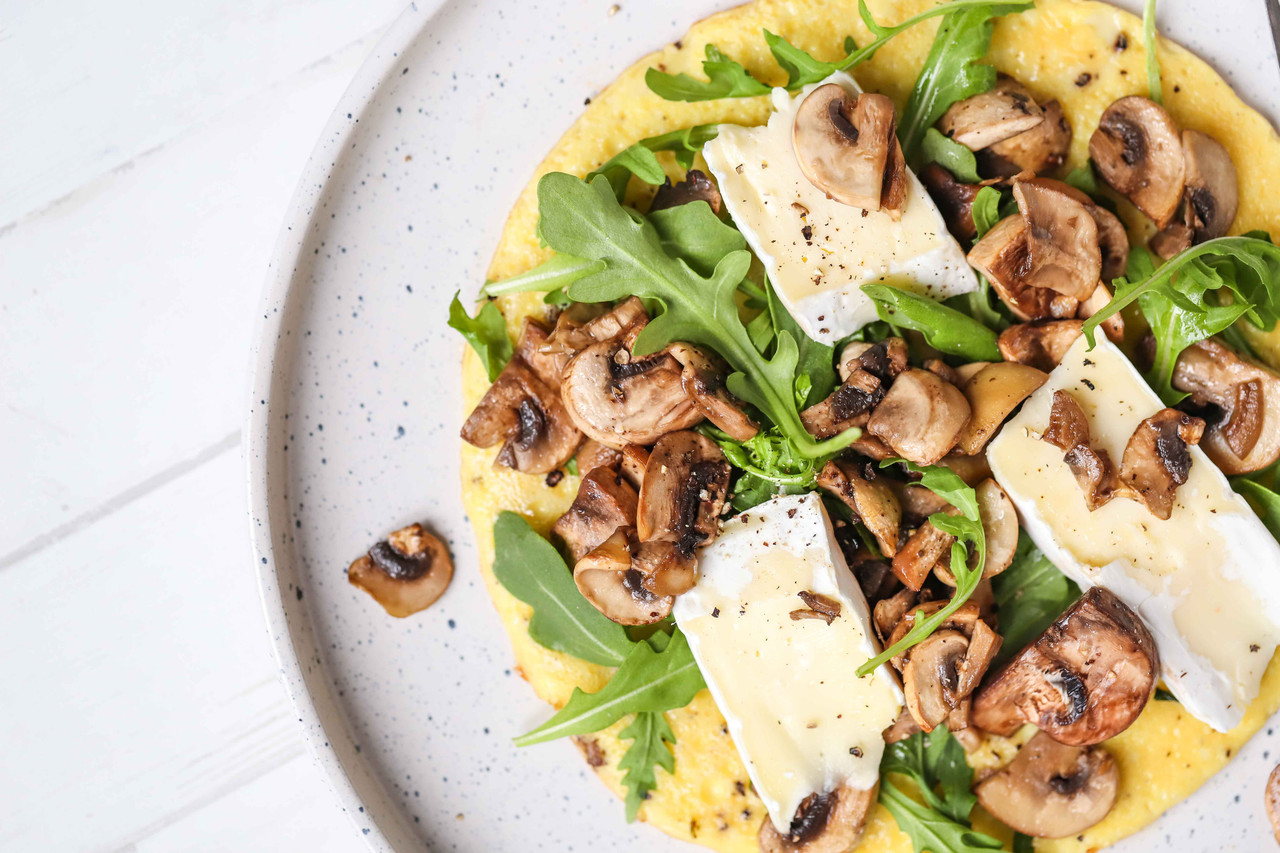
High-Protein Breakfast Ideas That Actually Keep You Full
Breakfast is often where people mean well but end up hungry by 10am.
A piece of toast, a sugary cereal, or a quick coffee might feel convenient, but it usually does not do much for fullness. That is where a better breakfast can help. The right high-protein breakfast can support appetite control, make energy feel steadier, and help you get more nutrition in early without overthinking it.
This is not about eating a huge breakfast or turning your morning into a meal prep project. It is about choosing simple meals that are built a bit better. Below, you will find practical high protein breakfast ideas, what actually makes a breakfast filling, and a few common mistakes that make people hungry again too soon.
Quick Answer
If you want a breakfast that actually keeps you full, aim for three things:
- A solid protein source
- Some fibre-rich carbs
- A little healthy fat
For many adults, a breakfast with roughly 20 to 30 grams of protein is a practical target. That does not need to be exact. It just gives you a useful benchmark. Think eggs on wholegrain toast, Greek yoghurt with fruit and seeds, protein oats, cottage cheese on toast, or a smoothie built around yoghurt, milk, or protein powder plus fruit and oats.
Why a High-Protein Breakfast Helps With Fullness
Protein tends to digest more slowly than highly refined carbs and generally has a stronger effect on fullness. That matters if your usual pattern is breakfast at 7am, hunger at 9:30, then grabbing whatever is easiest.
But protein is only part of the picture.
The breakfasts that tend to work best in real life usually combine protein with fibre and enough volume to feel like an actual meal. That is why a bowl of Greek yoghurt with berries, oats, and chia often works better than a protein bar and coffee. It is also why eggs alone may not hold you as well as eggs plus wholegrain toast and some fruit.
A good breakfast does not need to be low-carb, ultra-clean, or fancy. It just needs to be balanced enough to slow the usual hunger rebound.
What a Filling Breakfast Actually Looks Like
Here is a simple way to build one:
Protein:
Greek yoghurt, skyr, cottage cheese, eggs, milk, soy yoghurt, tofu, protein powder, smoked salmon, chicken, beans, or baked beans.
Fibre-rich carbs:
Oats, wholegrain toast, grainy wraps, fruit, berries, high-fibre cereal, beans, or chia.
Healthy fats:
Nuts, seeds, peanut butter, almond butter, avocado, or olive oil.
That does not mean every breakfast needs all three in big amounts. It just means the more your breakfast is built from these basics, the more likely it is to keep you satisfied.
A useful rule of thumb is this: if your breakfast is mostly quick carbs and not much else, you will probably be hungry again fast. If it includes a decent protein source and some fibre, it usually works much better.
Easy High-Protein Breakfast Ideas
These are practical options you can use as-is or build around with your own recipes.
1. Greek yoghurt bowl
Greek yoghurt, berries, oats or muesli, and chia or pumpkin seeds.
This works well because it is quick, high in protein, and easy to make more filling with fibre and texture.
Add-in idea: sliced banana, walnuts, or a spoon of peanut butter.
2. Eggs on wholegrain toast
Two to three eggs with wholegrain or seeded toast, plus avocado, tomato, or fruit on the side.
Simple, reliable, and more filling than toast alone.
3. Protein oats
Porridge made with milk, plus Greek yoghurt stirred through after cooking or a scoop of protein powder, topped with berries and seeds.
This is a good option for people who want something warm and easy to batch.
4. Cottage cheese toast
Cottage cheese on grainy toast with tomato, cucumber, cracked pepper, and a drizzle of olive oil.
Easy, savoury, and higher in protein than standard toast toppings.
5. Smoothie that is actually a meal
Milk or fortified soy milk, Greek yoghurt or protein powder, frozen berries, oats, and peanut butter.
A smoothie can work well when mornings are rushed, but it needs enough substance to count as breakfast.
6. Tofu scramble
Tofu cooked with spinach, mushrooms, and spices, served on toast or with roast vegetables.
A strong plant-based option that still gives you a proper protein hit.
7. Beans on toast, upgraded
Baked beans on quality wholegrain toast, topped with eggs, feta, or extra seeds.
Cheap, practical, and far more filling when you add another protein source.
8. Overnight oats
Oats, milk, chia, Greek yoghurt, and fruit prepared the night before.
Good for busy mornings and easy to portion ahead.
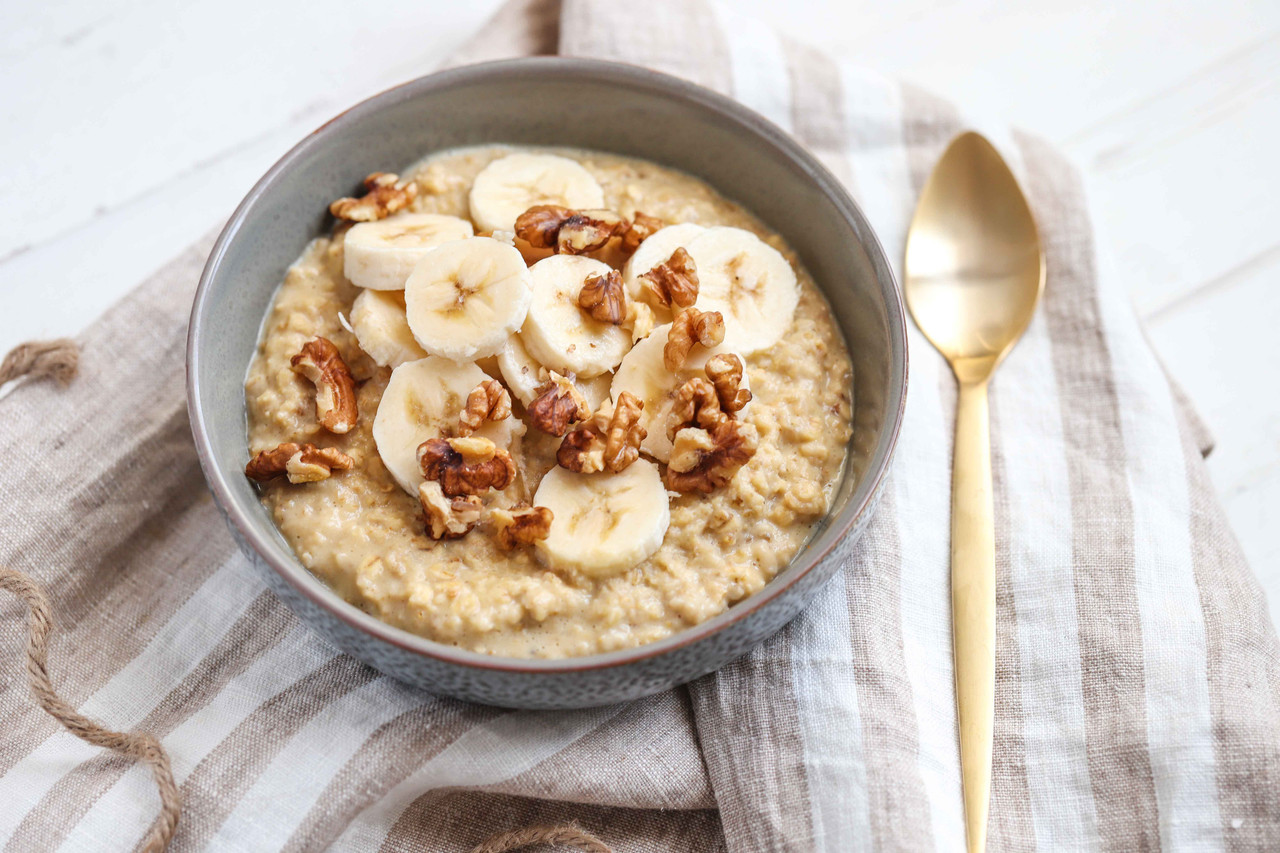
Protein Porridge
Ingredients (serves 2)
2 cups (480ml) almond milk, unsweetened 1 cup (80g) oats 1 scoop (25g) vanilla whey 1 banana, sliced ¼ cup (30g) walnuts, chopped
Method.
In a small pot, bring the almond milk to the boil. Stir in the oats and cooked over low heat for 5-7 minutes, stirring constantly to avoid sticking. Take the pot off the heat and stir in the protein powder until well combined. Divide the porridge between 2 serving bowls and top with the sliced banana and walnuts. Serve immediately.
Common Breakfast Mistakes That Leave You Hungry
Relying on “healthy” foods that are not very filling
A smoothie made mostly from fruit juice, a small bowl of cereal, or toast with jam may seem light and healthy, but they are often low in protein and not especially satisfying.
Eating protein but forgetting fibre
A couple of eggs on their own may still leave you wanting more. Add toast, fruit, oats, beans, or vegetables and the meal usually works better.
Going too small
Some people think a filling breakfast has to be tiny if fat loss is the goal. In practice, a proper breakfast often helps more than a skimpy one that leads to extra snacking later.
Treating coffee as breakfast
Coffee is fine. Coffee instead of breakfast is different. For many people, that just delays hunger and makes later food choices harder.
High-Protein Breakfast Ideas for Fat Loss, Training, and Busy Mornings
If your goal is fat loss, the best breakfast is one you can repeat consistently and that helps you manage hunger. That usually means enough protein, enough fibre, and not feeling deprived.
If you train in the morning, breakfast may also help you spread protein intake more evenly across the day. You do not need perfection here. A decent breakfast is a solid start.
If you are busy, convenience matters. Keep easy staples around: Greek yoghurt, eggs, cottage cheese, protein powder, oats, berries, wholegrain bread, nuts, and tinned beans.
The best high protein breakfast ideas are the ones you will actually make on a Tuesday when life is busy, not just the ones that look good on Instagram.
What Most People Really Need to Know
You do not need a breakfast hack.
You just need to stop building breakfast around quick carbs alone.
A filling breakfast is usually pretty ordinary: protein, fibre, and enough food to feel satisfied.
That might be eggs on toast. It might be yoghurt and fruit. It might be overnight oats. It might be one of your go-to whole food recipes that you rotate through the week.
Done consistently, that kind of breakfast is far more useful than chasing perfect macros or the latest nutrition trend.
Final Thoughts
The best high-protein breakfast ideas are not complicated. They are simple meals that make mornings easier and hunger more manageable.
Start with one small upgrade. Add Greek yoghurt instead of regular yoghurt. Add eggs or cottage cheese to toast. Turn plain oats into protein oats. Build a smoothie with real substance. That is usually enough to notice a difference.
A better breakfast will not solve everything, but it can make the rest of the day feel a lot easier.
Common Inquiries on this Topic
FAQ
What is a good amount of protein for breakfast?
For many adults, around 20 to 30 grams is a useful practical target. You do not need to hit that number exactly every day, but it is a good range to aim for if you want better fullness and a more balanced start to the day.
Are high-protein breakfasts good for fat loss?
They can help, mainly because they may improve fullness and make appetite easier to manage. They are not a shortcut, but they can support a calorie deficit by helping you feel more satisfied and stay more consistent.
Can I have a high-protein breakfast without eggs?
Yes. Greek yoghurt, skyr, cottage cheese, tofu, soy yoghurt, milk, protein oats, protein smoothies, and beans can all work well.
Is a protein shake enough for breakfast?
Sometimes, but only if it is built like a meal. A shake with just water and protein powder may not keep you full for long. Add fruit, oats, yoghurt, milk, or nut butter to make it more satisfying.
Do I need breakfast to be healthy?
No. Some people prefer not to eat early, and that can be fine. But if you do eat breakfast and want it to keep you full, building it around protein and fibre is usually a smart move.
References & Clinical Sources
References
- British Dietetic Association. Healthy Breakfast. https://www.bda.uk.com/resource/healthy-breakfast.html
- NHS. The Eatwell Guide. https://www.nhs.uk/live-well/eat-well/food-guidelines-and-food-labels/the-eatwell-guide/
- Paddon-Jones D, et al. Protein, weight management, and satiety. American Journal of Clinical Nutrition.
- Gwin JA, Leidy HJ. A Review of the Evidence Surrounding the Effects of Breakfast Consumption on Mechanisms of Weight Management. https://pmc.ncbi.nlm.nih.gov/articles/PMC6247188/
- Dalgaard LB, et al. A dairy-based, protein-rich breakfast enhances satiety and concentration in the hours after breakfast.
- Jäger R, et al. International Society of Sports Nutrition Position Stand: protein and exercise. https://pmc.ncbi.nlm.nih.gov/articles/PMC5477153/
H. Richards
Personal TrainerWith over 20 years of experience coaching high performers, H. Richards delivers precision training frameworks built on evidence and practical application. His approach cuts through the noise to help you achieve sustainable results, backed by consistently excellent 5-star client reviews.
Explore Coaching ProgramsIf you want help building a realistic nutrition plan that fits your training, work, and routine, book an assessment and we can help you find an approach you can actually stick to.
Take our 2-minute assessment to evaluate your current protein intake and training consistency.
Take the Free AssessmentRelated Guides & Protocols
 General
Finding a Personal Trainer in Christchurch: What to Look For
Choosing a personal trainer is about more than price or location. Here’s how to find a personal trainer in Christchurch who matches your goals, experience level, and lifestyle.