Finding a Personal Trainer in Christchurch: What to Look For
"Choosing a personal trainer is about more than price or location. Here’s how to find a personal trainer in Christchurch who matches your goals, experience level, and lifestyle."
Finding a Personal Trainer in Christchurch: What to Look For
Looking for a personal trainer can feel harder than it should be. A quick search brings up dozens of options, all promising results, support, and accountability. But if you are comparing coaches in Christchurch, the real question is simpler: who is actually a good fit for you?
The right coach should help you feel clear, supported, and confident from the start. They should know how to build a plan around your goals, your current fitness level, and real life. In this guide, you’ll learn what to look for, what to ask, and how to spot the difference between a coach who talks well and one who can genuinely help.
Quick Answer
If you are trying to find a personal trainer Christchurch locals can trust, look for five things first: relevant qualifications, a coaching style that suits you, a clear plan based on your goals, a proper assessment process, and a service structure you can realistically stick to.
A good personal trainer should do more than run you through a sweaty session. They should help you train safely, progress over time, and make the process feel manageable. The best choice is usually not the cheapest, the hardest, or the most intense. It is the coach you are most likely to work with consistently.
Why finding the right trainer matters
A lot of people assume personal training is just for weight loss, or that it is only worth it if you are already motivated. In reality, a good coach is often most helpful when you feel stuck, inconsistent, or unsure where to start.
That might be you if:
- you have joined gyms before but never really known what to do
- you want to get stronger without getting injured
- you are getting back into exercise after time off
- you want accountability, not just another plan saved in your notes app
- you are tired of random workouts that do not lead anywhere
The biggest benefit of personal training is not just the session itself. It is having a clear direction. Instead of guessing, you follow a plan built around your body, your schedule, and your goals.
That matters even more if you are busy. Most adults in Christchurch are not looking to train like athletes. They want more energy, better strength, improved confidence, and a routine they can sustain around work, family, and everything else life throws at them.
What to look for in a personal trainer in Christchurch
1. Qualifications and professionalism
This should be the baseline, not a bonus.
A personal trainer should have relevant fitness qualifications and current first aid knowledge. If they work with more specific needs such as injury history, postnatal training, or rehab-style support, they should be able to explain their experience in that area clearly.
You do not need a coach with the longest list of letters after their name. But you do want someone who takes their role seriously and can explain why they program what they program.
Good signs include:
- recognised personal training qualifications
- current first aid or CPR training
- clear scope of practice
- confidence referring out when something sits outside their expertise
- professional communication and clear policies
If a trainer cannot explain how they keep people safe, that is a red flag.
2. A coaching style that suits you
This is one of the most overlooked parts of choosing a trainer.
Some people do well with high energy and hard pushing. Others need calm guidance, structure, and encouragement. Neither is automatically better. What matters is whether the coach’s style helps you show up consistently.
A trainer might look great on social media and still be the wrong fit for you.
Ask yourself:
- Do I want gentle support or firm accountability?
- Do I prefer one-on-one attention or a small group environment?
- Do I want a private studio, a bigger gym setting, or even mobile coaching?
- Will I actually feel comfortable asking questions here?
If you feel intimidated in the first conversation, that usually does not improve later. A good coach should make you feel supported, not judged.
3. An actual assessment process
Be wary of any trainer who jumps straight into selling sessions without learning anything about you.
A proper starting point should include a conversation about your goals, training history, injuries, preferences, schedule, and current lifestyle. In many cases, it should also include some kind of movement or fitness assessment.
That does not need to be fancy. It just needs to be useful.
A good assessment helps answer questions like:
- What is your current starting point?
- Are there movement limitations or pain points to work around?
- What type of training makes sense right now?
- What is realistic in the next 6 to 12 weeks?
This is where a coach shows whether they are building a plan for you, or just putting you through the same template they use for everyone else.
4. A plan, not just hard workouts
Many people hire a trainer because they want results, then end up paying for sessions that feel hard but disconnected.
A good trainer should be able to show you the bigger picture. That means they can explain:
- what you are working toward
- why your programme is structured the way it is
- how progress will be measured
- what changes over time as you improve
You do not need a perfectly detailed long-term roadmap on day one. But you should feel like there is a direction.
If every session feels random, it is harder to stay motivated and much harder to make consistent progress.
Questions to ask before you commit
Choosing a Christchurch personal training coach gets easier when you ask direct questions early.
Here are some useful ones:
What kind of clients do you usually work with?
This helps you find out whether they mainly work with beginners, busy professionals, parents, older adults, strength-focused clients, or people returning after injury.
How do you tailor a programme to the individual?
Listen for a real answer here. You want specifics, not vague talk about “customised training.”
What happens in the first few weeks?
A good trainer should be able to explain how they ease you in, build confidence, and establish a baseline.
How do you track progress?
That might include strength markers, movement quality, body composition, energy levels, habits, or consistency. It should not be based on scales alone.
What happens if I have pain or an old injury?
You want a thoughtful response, not bravado.
What is included in the price?
Check whether you are paying for sessions only, or whether programming, check-ins, accountability, and nutrition support are part of the service.
Signs a trainer is probably a good fit
When you find the right personal trainer Christchurch option for you, the experience often feels straightforward.
Good signs include:
- they listen more than they talk in the first conversation
- they ask sensible questions about your goals and history
- they explain things clearly without trying to impress you
- they make the process feel realistic
- they are focused on progress, not punishment
- they care about consistency more than perfection
A good coach helps you feel clearer after speaking to them, not more confused.
Common mistakes people make when comparing coaches
Choosing based on price alone
Budget matters, but cheapest is not always best value. A slightly higher-quality service that gives you structure, accountability, and long-term progress is often more worthwhile than a cheaper option you quit after three weeks.
Picking the most intense option
Hard does not always mean effective. If a training style is too aggressive for your current fitness level or personality, you are less likely to stick with it.
Ignoring convenience
The best programme in the world will not help much if the location, schedule, or setup makes it hard to attend. In Christchurch, practical fit matters. Travel time, parking, work hours, and family logistics all count.
Not asking enough questions
You are allowed to ask how things work. In fact, you should. A professional coach should welcome that.
How to choose between one-on-one, small group, and private studio options
There is no universal best model. It depends on what support you need.
One-on-one personal training is usually best if you want maximum attention, close coaching on form, and a plan built very specifically around your goals.
Small group personal training can work well if you like some community and motivation but still want more structure than a normal class.
Private studio training often appeals to people who want less distraction, more privacy, or a calmer environment.
The best option is the one you will keep turning up for.
What most people in Christchurch really need
Most adults do not need a perfect trainer. They need a good one.
That means someone who can help them:
- get started without overthinking it
- build strength and fitness safely
- create consistency
- work around a busy schedule
- keep the process realistic
A good fitness coach does not just give you exercises. They reduce friction. They help you stop second-guessing. They make progress feel more doable.
That is often the difference between another false start and a routine that finally sticks.
Final Thoughts
Finding the right personal trainer in Christchurch is not about finding the toughest coach or the fanciest gym. It is about finding someone who understands your goals, coaches in a way that suits you, and gives you a clear plan you can actually follow.
Take your time, ask good questions, and pay attention to how a coach makes you feel in that first conversation. You want someone who helps you feel capable, not overwhelmed.
The right fit should make training feel less confusing and more sustainable from day one.
Common Inquiries on this Topic
FAQ
How do I choose a personal trainer in Christchurch?
Start with qualifications, coaching style, assessment process, and whether the trainer offers a clear plan. Then look at practical factors like location, schedule, and the kind of support included.
Is personal training worth it for beginners?
Yes, for many beginners it can be one of the best times to get support. A good trainer can help you learn proper form, build confidence, and avoid wasting months doing random workouts.
How many times per week should I see a personal trainer?
That depends on your goals, budget, and experience. Many people do well with one or two sessions per week, especially if they also have a simple plan to follow on their own.
Should I choose one-on-one or small group personal training?
Choose one-on-one if you want more individual attention and detailed coaching. Small group training can be a strong option if you want structure and accountability with a bit more community.
What should happen in a first personal training assessment?
You should expect a conversation about your goals, training history, injuries, and lifestyle. Many coaches will also include a basic movement assessment so they can tailor your programme properly.
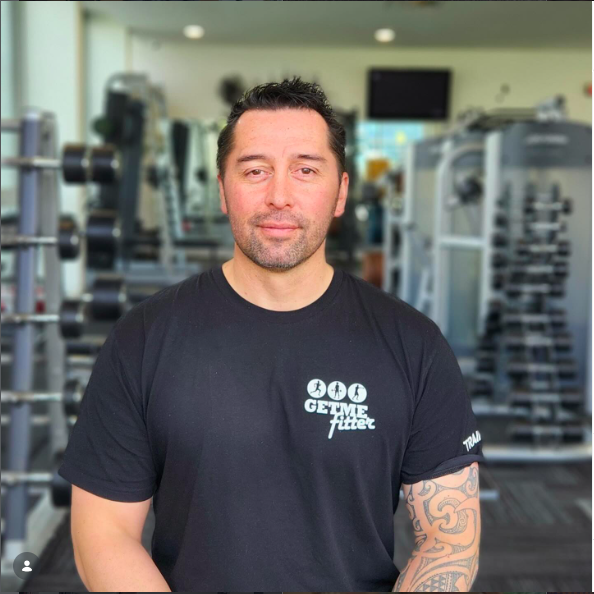
H. Richards
Personal TrainerWith over 20 years of experience coaching high performers, H. Richards delivers precision training frameworks built on evidence and practical application. His approach cuts through the noise to help you achieve sustainable results, backed by consistently excellent 5-star client reviews.
Explore Coaching ProgramsIf you are comparing coaches and want a clearer idea of what would actually suit you, book an assessment and have a proper conversation before committing. It is the easiest way to find out whether the coaching style, plan, and support are the right fit for you.
Take our 2-minute assessment to evaluate your current protein intake and training consistency.
Take the Free AssessmentRelated Guides & Protocols
 Mindset
Motivation Isn’t the Problem: Why You Keep Starting and Stopping Exercise
If you keep falling into a stop-start cycle with exercise, the problem usually is not laziness or lack of discipline. More often, it is a mix of unrealistic plans, guilt-driven motivation, and habits that do not fit real life.