GLP-1 Protein Guide: How Much Protein Do You Need on Ozempic, Wegovy & Mounjaro?
"GLP-1 medications like Ozempic, Wegovy and Mounjaro can make weight loss easier - but when appetite drops, getting enough protein becomes more important. Learn how much protein you may need, the best protein-rich foods when appetite is low, and why combining protein with resistance training is key to protecting muscle while losing weight."
GLP-1 Protein Guide: How Much Protein Do You Need on Ozempic, Wegovy & Mounjaro?
How Much Protein Do You Need on Ozempic, Wegovy & Mounjaro?
If your GLP-1 medication has dramatically reduced your appetite, eating enough protein can become surprisingly difficult.
That matters because losing weight and losing muscle are not the same thing.
Medications such as semaglutide (Ozempic and Wegovy) and tirzepatide (Mounjaro and Zepbound) can make it much easier to maintain a calorie deficit and lose body weight. But when food intake falls significantly, you also need to pay attention to the quality of the food you are eating.
Protein becomes one of the most important pieces of that puzzle.
Protecting Lean Mass on GLP-1 Medications?
Avoid the metabolic slowdown caused by rapid muscle loss. Pair your medication with our coach-designed resistance protocols.
Read the Lifting Protocol → Explore Coaching Tools →Research increasingly supports a simple approach to protecting lean mass during pharmacological weight loss:
Eat enough protein. Lift weights. Don't let appetite suppression turn into nutritional under-fuelling.
Why Is Protein So Important During GLP-1 Weight Loss?
Weight loss is never exclusively fat loss.
When body weight decreases, the amount of fat, lean tissue, water and other tissues in the body can all change. Studies of GLP-1-based weight-loss treatments have found that although fat loss generally accounts for the majority of weight lost, reductions in lean mass can also occur.
And there is an important distinction here:
Lean mass is not the same thing as muscle.
Lean mass includes water, organs and other non-fat tissues as well as skeletal muscle. So it is inaccurate to assume that every kilogram of lean mass lost is a kilogram of muscle.
The goal isn't simply to make the number on the scales smaller.
The goal is to improve your body composition and physical function while losing weight.
That means losing excess body fat while giving your body the best possible conditions to maintain muscle.
Protein helps provide the amino acids required to maintain and repair muscle tissue. Resistance training provides the mechanical signal telling your body that the muscle is still needed.
Think of it this way:
Protein provides the building materials.
Resistance training provides the reason to keep building.
Both matter.
Does Taking a GLP-1 Mean You Need More Protein?
Not necessarily.
There isn't currently a universally accepted "GLP-1 protein requirement" that applies specifically to everyone taking semaglutide or tirzepatide.
The bigger issue is what happens when the medication reduces your appetite.
If you're eating substantially less food, it becomes easier to accidentally under-eat protein along with calories, fibre, vitamins and minerals.
That creates a nutritional challenge.
You might previously have eaten a large breakfast, lunch and dinner without thinking about protein. Now, a few bites can make you feel full.
Your total food intake falls.
And if protein intake falls with it, maintaining muscle during weight loss becomes harder.
This is why protein needs to become more intentional when appetite is low.
How Much Protein Should You Eat on Ozempic, Wegovy or Mounjaro?
There is no single number that is right for everyone.
Your ideal protein target depends on factors including:
- Your body size
- Your age
- Your current body composition
- Your activity levels
- Your resistance-training programme
- Your calorie intake
- Your weight-loss rate
- Your appetite and ability to tolerate food
- Your medical history
For many adults actively trying to lose weight while preserving muscle, a practical starting range is approximately:
1.2–1.6 g of protein per kg of body weight per day
This isn't a magic GLP-1 formula. It is a practical range that sits above the basic adult protein requirement and aligns with recommendations commonly used when muscle preservation is a priority, particularly during ageing, energy restriction and resistance training.
For some people, particularly those with higher training demands or specific body-composition goals, a higher intake may be appropriate.
For others, particularly people struggling with significant nausea, early fullness or other gastrointestinal symptoms, getting enough nutrition overall may be the immediate priority rather than chasing an aggressive protein target.
Your protein target should be individualised rather than treated as a competition.
Instead of guessing your numbers, enter your weight and activity level into our dedicated GLP-1 calorie and macro calculator to see your exact per-meal protein targets.
What Does 1.2–1.6 g/kg Actually Look Like?
Here's a simple example.
If your target body weight is 80 kg:
- 1.2 g/kg = 96 g protein/day
- 1.4 g/kg = 112 g protein/day
- 1.6 g/kg = 128 g protein/day
That might sound like a lot when your appetite is suppressed.
But you don't need to eat enormous steaks at every meal.
Instead, distribute protein across the day.
For example:
| Meal | Protein Target |
|---|---|
| Breakfast | 25–30 g |
| Lunch | 25–30 g |
| Dinner | 30–40 g |
| Snack / shake | 15–25 g |
| Daily Total | 95–125 g |
This is where the strategy becomes more important than simply knowing the number.
Don't Just Chase a Daily Protein Number
One of the easiest mistakes on a GLP-1 is trying to cram all your protein into one meal.
If your appetite is low, you may find yourself eating almost nothing all day and then trying to "catch up" at dinner.
That isn't ideal.
Instead, think about creating protein anchors throughout the day.
A useful practical target is around 25–40 g of high-quality protein at your main meals, depending on your individual requirements.
This gives you multiple opportunities throughout the day to provide the amino acids required for muscle protein synthesis.
Older adults may benefit from particular attention to protein distribution because age-related changes can reduce the muscle's anabolic response to smaller protein doses.
The WRK rule:
Don't obsess over perfect timing.
Make protein hard to miss.
If you can consistently hit a meaningful protein serving at breakfast, lunch and dinner, you're already in a much better position.
What If You Have a High Body Weight?
This is where simply multiplying your current body weight by a protein number can become impractical.
For example, someone with a very high body weight may technically calculate a protein target that is extremely difficult to achieve—particularly when taking a medication that suppresses appetite.
In these situations, protein targets may be based on adjusted body weight, ideal body weight, goal body weight or another clinically appropriate measure, depending on the individual.
This is one reason why online protein calculators should be treated as starting points rather than medical prescriptions.
The goal is not to force an arbitrary amount of protein into someone who is already struggling to eat.
The goal is to find a realistic intake that supports nutrition, training and muscle preservation.
What Should You Eat When You Have Little Appetite?
This is where GLP-1 nutrition gets practical.
When you're hungry, eating a large piece of chicken isn't particularly difficult.
When you're nauseous, full after half a meal and dealing with delayed gastric emptying, it's a different story.
You need to think about protein density and food tolerance.
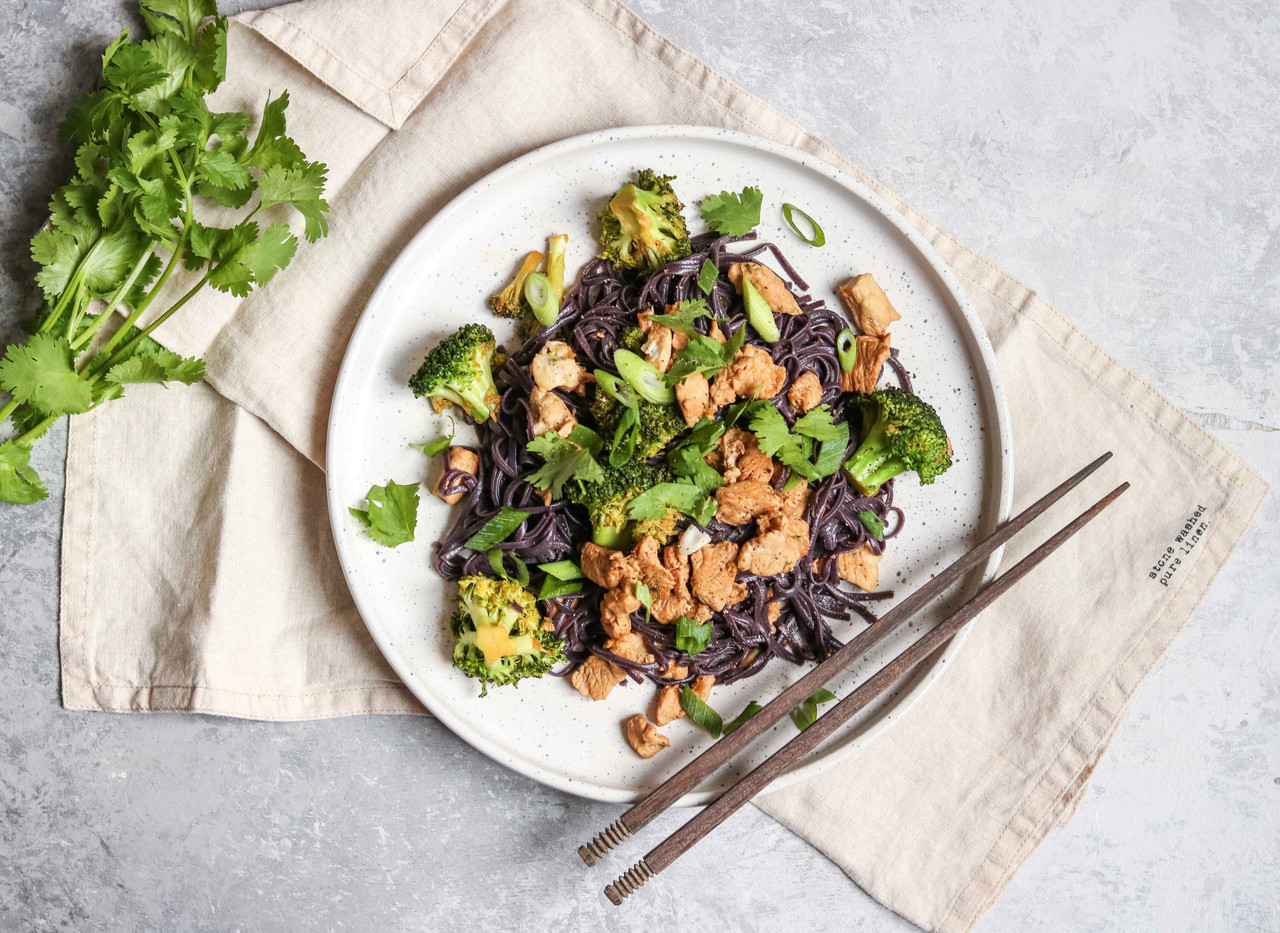
Good options can include:
- Greek yoghurt
- Cottage cheese
- Eggs
- Fish
- Chicken or lean meat
- Tofu and tempeh
- Milk
- High-protein yoghurt
- Protein-fortified foods
- Whey or other protein powders
Soft foods can sometimes be easier to tolerate than large, dry or bulky meals.
A smoothie containing yoghurt, milk and protein powder may be easier to consume than a large plate of food.
But remember:
Protein powder is a tool—not a requirement.
Whole foods should form the foundation of your diet where practical. A protein supplement can simply make hitting your target easier when appetite and food volume are working against you.
What About Protein Shakes on Ozempic?
You don't need a protein shake because you're taking Ozempic, Wegovy or Mounjaro.
But a shake can be extremely useful when appetite suppression makes your normal food intake too small.
For example, a 20–30 g protein shake can provide a relatively small amount of food volume while helping you move towards your daily protein target.
That's particularly useful when:
- You're struggling with breakfast
- You can't tolerate a large meal
- You're short on protein at the end of the day
- You're training and need a convenient protein source
- Your appetite varies significantly from day to day
However, don't use protein shakes to force food down when you're actively vomiting or unable to keep fluids down.
Persistent vomiting, severe abdominal pain, signs of dehydration or significant difficulty maintaining food and fluid intake should be discussed with your healthcare professional.
Protein Alone Won't Protect Your Muscle
This is one of the most important points in the entire article.
Protein is not a substitute for resistance training.
Your muscles adapt to the demands placed upon them.
If you're losing weight, eating less and doing little or no resistance exercise, your body has less reason to maintain as much muscle tissue.
This is why I don't recommend thinking about GLP-1 nutrition in isolation.
Instead:
EAT + LIFT
Protein gives your body the raw materials.
Resistance training gives your body the signal:
"We still need this muscle."
Hitting your daily amino acid threshold only works if you provide a mechanical stimulus to retain muscle. Pair your nutrition with our coach-led resistance training protocol for GLP-1 weight loss.
How Often Should You Strength Train on a GLP-1?
You don't need to live in the gym.
The 2026 American College of Sports Medicine position stand emphasises that consistency matters more than complexity and recommends training all major muscle groups at least two days per week, with gradual progression over time.
Resistance training can also be performed using bands, bodyweight and home-based equipment.
For someone new to strength training, that might mean:
2–3 full-body sessions per week.
Focus on the fundamental movement patterns:
- Squat
- Hinge
- Push
- Pull
- Carry
- Core/bracing
You don't need a complicated bodybuilding split.
You need a programme you can actually follow.
What About Nausea and Other GLP-1 Side Effects?
Protein targets don't exist in a vacuum.
If your medication is causing nausea, vomiting, diarrhoea, constipation or significant early fullness, simply telling you to "eat more protein" isn't particularly helpful.
You first need a strategy that allows you to tolerate food and fluids.
This is where your nutrition strategy may need to change from day to day.
On a good appetite day:
Prioritise normal meals with protein, vegetables, fruit, whole grains and other nutrient-dense foods.
On a low-appetite day:
Think smaller.
Choose protein-dense foods that you tolerate well and spread them across the day.
On a nausea day:
Don't force a giant meal because an app says you haven't hit your protein target.
Hydration and tolerable nutrition come first.
If symptoms are severe, persistent or preventing adequate food and fluid intake, speak with your prescribing healthcare professional.
The Best Protein Foods for GLP-1 Users
You don't need a special "GLP-1 diet".
You need foods that provide good nutrition without requiring huge amounts of food.
Animal-Based Options
- Chicken
- Turkey
- Lean beef
- Fish
- Eggs
- Greek yoghurt
- Cottage cheese
- Milk
Plant-Based Options
- Tofu
- Tempeh
- Edamame
- Lentils
- Beans
- Soy products
- Pea or soy protein powders
Convenient Options
- Protein yoghurt
- Protein shakes
- Whey protein
- Ready-to-drink protein beverages
- Protein-enriched meals
The best choice is ultimately the one that you tolerate, enjoy and can consistently eat.
A Simple GLP-1 Protein Strategy
If you're overwhelmed by numbers, start here.
1. Set a realistic daily protein target
For many people, 1.2–1.6 g/kg/day is a useful starting range.
2. Divide it across the day
Aim for a meaningful protein serving at breakfast, lunch and dinner rather than trying to consume everything at night.
3. Make protein the anchor
Build meals around a quality protein source, then add vegetables, fruit, carbohydrates and healthy fats according to your energy and nutritional needs.
4. Use convenience when necessary
Protein shakes, yoghurt and other convenient options can help when appetite is low.
5. Lift consistently
Aim for resistance training at least twice per week and progress gradually.
6. Don't ignore symptoms
If nausea, vomiting, diarrhoea, constipation or early fullness are interfering with your ability to eat and drink adequately, address the problem rather than simply trying to force more protein.
The WRK Approach: LIFT. EAT. SUPPORT.
This is how I approach GLP-1 fitness coaching at WRK Personal Training.
LIFT
Resistance training gives your body a reason to maintain muscle and strength while you lose weight.
EAT
Prioritise adequate protein and nutrient-dense food rather than simply trying to eat as little as possible.
SUPPORT
Hydration, recovery, symptom management, sustainable habits and appropriate adjustments all matter.
Because successful GLP-1 treatment shouldn't just mean watching the number on the scales fall.
It should mean becoming lighter without becoming weaker.
GLP-1 medications can be incredibly effective tools for weight loss.
But the medication doesn't do everything.
If appetite suppression means you're eating substantially less, you need to become more intentional about what those remaining meals contain.
Protein matters.
But protein isn't the whole solution.
The strongest approach combines:
Adequate protein + resistance training + sufficient nutrition + hydration + recovery.
The goal isn't simply to lose as much weight as possible.
It's to lose the right weight, maintain as much muscle and strength as possible, and build the habits and physical capacity that help you keep the results long after the initial weight-loss phase.
Lose the weight. Keep your strength. Build the fitness to keep it off.
Need help preserving your muscle? Need personalized guidance? Learn more about our specialized GLP-1 personal training in Christchurch or apply for online coaching.
References
Laverde LP, et al. Effect of GLP-1 receptor agonists at doses for obesity management on muscle health: systematic review and meta-analysis of randomized controlled trials. International Journal of Obesity. 2026.
Bikou A, et al. A systematic review of the effect of semaglutide on lean mass: insights from clinical trials. Expert Opinion on Pharmacotherapy. 2024.
Locatelli JC, et al. Incretin-Based Weight Loss Pharmacotherapy: Can Resistance Exercise Optimize Changes in Body Composition? Diabetes Care. 2024.
Jensen J, et al. Strategies for minimizing muscle loss during use of incretin-mimetic drugs for treatment of obesity. Obesity Reviews. 2024.
Gorgojo-Martínez JJ, et al. Clinical Recommendations to Manage Gastrointestinal Adverse Events in Patients Treated with GLP-1 Receptor Agonists: A Multidisciplinary Expert Consensus. Journal of Clinical Medicine. 2022.
American College of Sports Medicine. Resistance Training Prescription for Muscle Function, Hypertrophy, and Physical Performance in Healthy Adults. Medicine & Science in Sports & Exercise. 2026.
Bauer J, et al. Evidence-based recommendations for optimal dietary protein intake in older people: a position paper from the PROT-AGE Study Group. Journal of the American Medical Directors Association.
Deutz NEP, et al. Protein intake and exercise for optimal muscle function with aging: recommendations from the ESPEN Expert Group. Clinical Nutrition.
Medical Disclaimer: This article provides general educational information and is not a substitute for individual medical or nutritional advice. GLP-1 medications should be used under the supervision of an appropriately qualified healthcare professional. Individual protein requirements may differ, particularly for people with kidney disease, other medical conditions, or specific nutritional needs. Speak with your doctor or qualified healthcare professional before making significant changes to your diet, medication or exercise programme.
Common Inquiries on this Topic
How much protein should I eat on Ozempic?
There is no single Ozempic-specific protein requirement. For many adults losing weight, around 1.2–1.6 g of protein per kg of body weight per day can be a useful starting range, with individual targets adjusted according to body size, age, activity, training and medical circumstances.
How much protein should I eat on Wegovy?
Wegovy does not create a unique protein requirement. However, because appetite suppression can reduce total food intake, deliberately prioritising protein can help support muscle preservation during weight loss. A practical starting range for many people is approximately 1.2–1.6 g/kg/day.
How much protein should I eat on Mounjaro?
The same general principle applies to Mounjaro. There is no universally established Mounjaro-specific protein target. Protein intake should be individualised, with approximately 1.2–1.6 g/kg/day being a useful starting range for many adults focused on preserving lean mass during weight loss.
Can protein prevent muscle loss on GLP-1 medication?
Protein can help support muscle maintenance, but it cannot guarantee that muscle will be preserved. Resistance training is also important because it provides the mechanical stimulus required to maintain muscle and strength during weight loss.
Should I drink a protein shake on Ozempic?
Not necessarily. Protein shakes are a convenience tool rather than a requirement. They can be useful if appetite suppression makes it difficult to obtain enough protein from normal meals, particularly when smaller-volume foods are easier to tolerate.
What should I eat when I have no appetite on a GLP-1?
Prioritise smaller, protein-rich meals and foods that you tolerate well. Greek yoghurt, eggs, cottage cheese, fish, tofu, milk and protein shakes can provide useful protein without requiring a very large meal. If you are unable to maintain adequate food or fluid intake because of persistent nausea or vomiting, contact your healthcare professional.
Is lean mass the same as muscle?
No. Lean mass includes skeletal muscle but also includes other non-fat tissues and body water. This is an important distinction when interpreting body-composition results during GLP-1 weight loss.
Do I need to lift weights while taking a GLP-1?
Resistance training is strongly recommended as part of a muscle-preservation strategy during pharmacological weight loss. You don't need to train every day or use a complicated programme. Consistent full-body resistance training at least twice per week is a practical starting point.
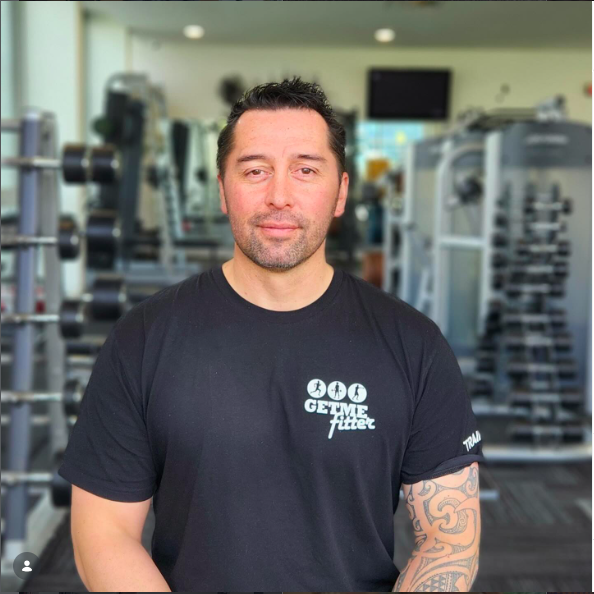
H. Richards
Personal TrainerWith over 20 years of experience coaching high performers, H. Richards delivers precision training frameworks built on evidence and practical application. His approach cuts through the noise to help you achieve sustainable results, backed by consistently excellent 5-star client reviews.
Explore Coaching ProgramsWant to know if you're doing enough to protect your muscle while losing weight on a GLP-1? Take the free 2-minute GLP-1 Weight Loss Safety Assessment →
Take our 2-minute assessment to evaluate your current protein intake and training consistency.
Take the Free Assessment