GLP-1 Strength Training: How to Build and Maintain Muscle on Ozempic, Wegovy & Mounjaro
"Taking Ozempic, Wegovy or Mounjaro and wondering how you should exercise? Learn why resistance training matters during GLP-1 weight loss and how to build a simple, sustainable strength-training routine."
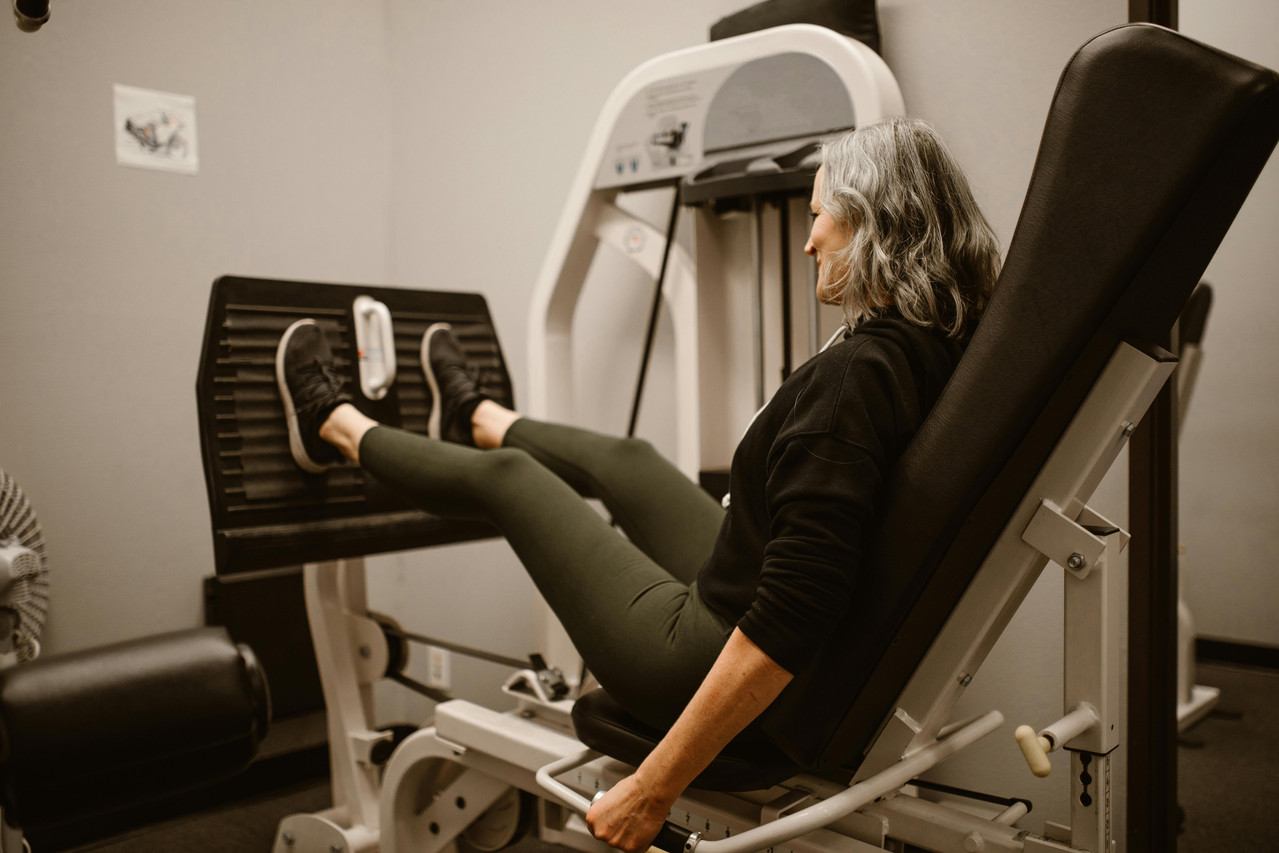
"Taking Ozempic, Wegovy or Mounjaro and wondering how you should exercise? Learn why resistance training matters during GLP-1 weight loss and how to build a simple, sustainable strength-training routine."
Can You Lift Weights While Taking a GLP-1?
Yes. In fact, if you are using a GLP-1 receptor agonist such as Ozempic, Wegovy, or Mounjaro (tirzepatide), progressive resistance training is the single most valuable form of exercise you can include in your routine.
You do not need to train like an elite bodybuilder, spend two hours a day in the gym, or turn every workout into a test of maximum strength. The primary objective is far more focused: give your central nervous system and skeletal structure an unmistakable reason to preserve muscle tissue while your body drops weight.
Weight loss is never just fat loss. When scale weight drops rapidly due to suppressed appetite, the body naturally pulls from both fat stores and functional lean tissue. The quality of your weight reduction determines whether you end up leaner, stronger, and metabolically resilient—or depleted, fatigued, and prone to rapid rebound weight gain.
Why Standard Gym Advice Backfires on GLP-1 Medications
When you are taking semaglutide or tirzepatide, delayed gastric emptying and central appetite regulation place your body in a persistent caloric deficit. Standard commercial gym advice—"do more cardio, sweat more, and crush high-intensity interval training (HIIT)"—is actively counterproductive in this state:
- Accelerated Sarcopenia: Clinical trials and systematic reviews show that anywhere from 25% to 40% of total weight lost on incretin mimetics can come from lean mass (muscle, bone mineral content, and connective tissue) rather than adipose fat if progressive mechanical tension is absent.
- Central Fatigue & Cortisol Spikes: With reduced glycogen availability from lower carbohydrate intake, excessive cardio or high-rep burnout sets spike systemic cortisol, trigger brain fog, and exacerbate gastrointestinal upset.
- The Metabolic Trap: Skeletal muscle is your primary engine for glucose clearance and resting energy expenditure. Sacrificing muscle drives down your Basal Metabolic Rate (BMR). If or when medication dosage is adjusted or discontinued, that lost muscle mass makes weight regain almost inevitable.
To succeed, your training mindset must shift from burning calories to signaling tissue preservation.
What Does the Clinical Research Say?
The evidence around incretin-based weight loss is definitive on one key point: progress cannot be judged by the bathroom scale alone.
While headlines often sensationalize that GLP-1s "destroy muscle," the reality is nuanced. Some lean mass loss occurs in any significant weight-loss intervention, whether pharmacological or dietary. However, skeletal muscle can be actively protected.
- A landmark 2026 American College of Sports Medicine (ACSM) position stand synthesizing 137 systematic reviews across 30,000+ participants confirmed that resistance training significantly improves muscle size, physical function, metabolic rate, and strength compared to non-lifting controls.
- Multiple clinical consensus statements (including EASO and EFAD guidelines) now specifically highlight structured resistance training as a necessary co-therapy alongside incretin pharmacotherapy to maintain functional capacity and prevent frailty.
The Training Principles: Smarter, Not Harder
1. Demystifying Progressive Overload
Progressive overload sounds complex, but it simply means providing a gradual, repeatable stimulus over time. That does not require wrecking your joints with maximal weights. Progression can mean:
- Adding 1–2 repetitions with the same weight.
- Moving through a fuller, cleaner range of motion.
- Controlling the lowering (eccentric) phase for 3 seconds.
- Incrementally increasing weight once a rep target is mastered.
2. Do You Need to Lift Heavy?
The weight only needs to be challenging for you. For a total beginner, a controlled sit-to-stand from a bench provides legitimate mechanical tension. For an experienced lifter, it might mean heavy dumbbell presses. The goal is to finish each working set with 1 to 2 reps in reserve (RIR), challenging the muscle without risking injury or exhaustion.
3. Keep Cardio Accessible
You do not have to choose between lifting and cardiovascular health. Cardio improves mitochondrial density and heart health, while lifting preserves muscular architecture. For a GLP-1 user, the gold-standard protocol is low-volume resistance training + daily walking (7,000–10,000 steps).
Navigating "Shot-Day" Fatigue & Gastrointestinal Side Effects
If you experience nausea, early satiety, or lethargy, individualizing your workout timing is critical:
- Time Your Workouts Wisely: Fatigue and nausea typically peak 24 to 48 hours post-injection. Schedule your key lifting days on days 4, 5, and 6 of your weekly injection cycle when appetite and energy rebound.
- Reduce Intra-Abdominal Pressure: When nausea or acid reflux is active, replace heavy axial spinal loading (like barbell back squats or conventional deadlifts) with chest-supported machine rows, dumbbell bench presses, and leg presses.
- Sip Intra-Workout Carbs: If eating solid food prior to training feels impossible, sipping 15–20g of simple liquid carbohydrates (such as diluted fruit juice or electrolyte drink) during training prevents hypoglycemia and lightheadedness.
The WRK Lifting Protocol: Low Volume, High Neural Drive
You do not need five days in the gym. Two to three focused, 35-to-45-minute full-body sessions per week are optimal for recovery and muscle retention.
Focus on 6 to 10 total working sets per workout, prioritizing multi-joint compound patterns:
Day 1: Push & Hinge
- Dumbbell Romanian Deadlift (RDL): 3 sets x 8–10 reps (2 min rest)
- Neutral-Grip Dumbbell Flat Bench Press: 3 sets x 8–10 reps (90 sec rest)
- Seated Cable or Chest-Supported Row: 3 sets x 10–12 reps (90 sec rest)
- Half-Kneeling Pallof Press: 2 sets x 12 reps per side (core stability)
Day 2: Squat & Pull
- Dumbbell Goblet Squat (heels elevated if needed): 3 sets x 8–10 reps (2 min rest)
- Lat Pulldown (Neutral or Underhand Grip): 3 sets x 8–10 reps (90 sec rest)
- Dumbbell Incline Bench Press: 3 sets x 10–12 reps (90 sec rest)
- Standing Farmer's Carry: 3 rounds x 30 paces (grip and core)
Day 3: Joint-Safe Hypertrophy & Stability
- Machine Leg Press: 3 sets x 10–12 reps (slow 3-second descent)
- Single-Arm Dumbbell Row: 3 sets x 10 reps each side
- Seated Dumbbell Shoulder Press: 2 sets x 10–12 reps
- Forearm Plank or Deadbug: 3 sets x 30–45 seconds
(Note: If you only have time for two sessions a week, alternate Day 1 and Day 2 across the week.)
The Fueling Bridge: Why Lifting Demands Protein
Resistance training provides the spark; dietary amino acids provide the raw bricks to maintain tissue.
When your appetite is blunted by medication, waiting until you feel hungry to eat protein guarantees you will fall short. Prioritize a protein anchor (25g–40g) across three distinct meals per day using whole foods like eggs, Greek yogurt, lean poultry, fish, tofu, or cottage cheese.
Calculate Your Minimum Protein & Calorie Floor
Lifting heavy only works if you satisfy your metabolic protein baseline. Use our free tool to see your exact daily calories and per-meal distribution:
Open Free NZ TDEE & Protein Calculator →Building the Habit for Life (Beyond the Medication)
GLP-1 medications are powerful clinical tools, but they do not teach motor patterns, build joint stability, or foster muscular resilience.
Training is an investment in your physical autonomy:
- Can you climb stairs without burning thighs?
- Can you pick up luggage or carry groceries effortlessly?
- Will your metabolic rate stay elevated if your medication dosage changes?
The scale tells you what you weigh today. Your training reveals what your body is capable of doing tomorrow.
The WRK GLP-1 Strength Formula
- Lift: Train 2–3 full-body sessions weekly using compound movements.
- Progress: Prioritize quality movement and gradual overload over fatigue.
- Fuel: Hit your protein floor with unrefined whole foods.
- Recover: Honor low-energy injection days and hydrate consistently.
- Move: Keep walking every single day.
Need Hands-On Strength Coaching in Christchurch?
Train in our quiet Addington studio with coach-led, joint-safe progressive resistance tailored specifically for clients on GLP-1 medications.
Book a Free Studio Consultation →Key Sources
- Currier BS, et al. American College of Sports Medicine Position Stand: Resistance Training Prescription for Muscle Function, Hypertrophy, and Physical Performance in Healthy Adults. Medicine & Science in Sports & Exercise, 2026.
- Mechanick JI, et al. Strategies for minimizing muscle loss during use of incretin-mimetic drugs for treatment of obesity. Obesity Reviews, 2025.
- Locatelli JC, et al. Incretin-Based Weight Loss Pharmacotherapy: Can Resistance Exercise Optimize Changes in Body Composition? Diabetes Care, 2024.
- Nutrition and Physical Activity in Optimizing Weight Loss and Lean Mass Preservation in the Incretin-Based Medications Era: A Narrative Review, 2025/2026.
- Nutritional, functional, and psychological considerations for incretin-based therapies in adults — EASO, EFAD, and ECPO Consensus Statement, 2026.
Common Inquiries on this Topic
Can I lift weights while taking Ozempic?
Yes. Resistance training can be an appropriate and valuable form of exercise while taking Ozempic, provided it is appropriate for your individual health and fitness situation.
Strength training can help improve and maintain muscle strength and physical function during weight loss. If you're new to exercise, start gradually and build your training capacity over time.
What is the best exercise to prevent muscle loss on Wegovy?
Resistance training is the most important type of exercise to prioritise if maintaining muscle and strength is a goal during weight loss.
Walking and cardiovascular exercise are also valuable for overall health, but resistance training provides a specific stimulus for the muscles.
A combination of resistance training, cardiovascular activity and everyday movement is generally more useful than relying on one form of exercise alone.
Can I do strength training while taking Mounjaro?
Yes. Mounjaro (tirzepatide) does not mean you need to avoid strength training.
In fact, resistance training can be an important part of a comprehensive approach to weight management while using incretin-based medication.
The appropriate training volume and intensity will depend on your fitness level, experience, health status, nutrition and ability to recover.
How often should I strength train on a GLP-1?
For many adults, two full-body resistance-training sessions per week is a practical starting point.
You can increase training frequency as your fitness, experience and recovery capacity improve.
The most effective programme is one that you can perform consistently and progressively.
Will strength training stop me from losing weight on Ozempic or Wegovy?
No.
Resistance training does not need to prevent weight loss.
The purpose of strength training during GLP-1-assisted weight loss is to help support muscle, strength and physical function while you reduce body weight.
Your body weight may continue to decrease even as your strength improves.
H. Richards
Personal TrainerWith over 20 years of experience coaching high performers, H. Richards delivers precision training frameworks built on evidence and practical application. His approach cuts through the noise to help you achieve sustainable results, backed by consistently excellent 5-star client reviews.
Explore Coaching ProgramsLosing weight is one thing. Knowing you're supporting your strength, nutrition and hydration along the way is another. Take the free 2-minute GLP-1 Assessment to see where you stand
Take our 2-minute assessment to evaluate your current protein intake and training consistency.
Take the Free Assessment