Healthy Meal Prep for Busy Adults: A Simple Modular Approach
"Meal prep does not need to mean bland chicken and five identical containers. This guide shows you a simpler way to prep flexible, balanced meals that fit real life."
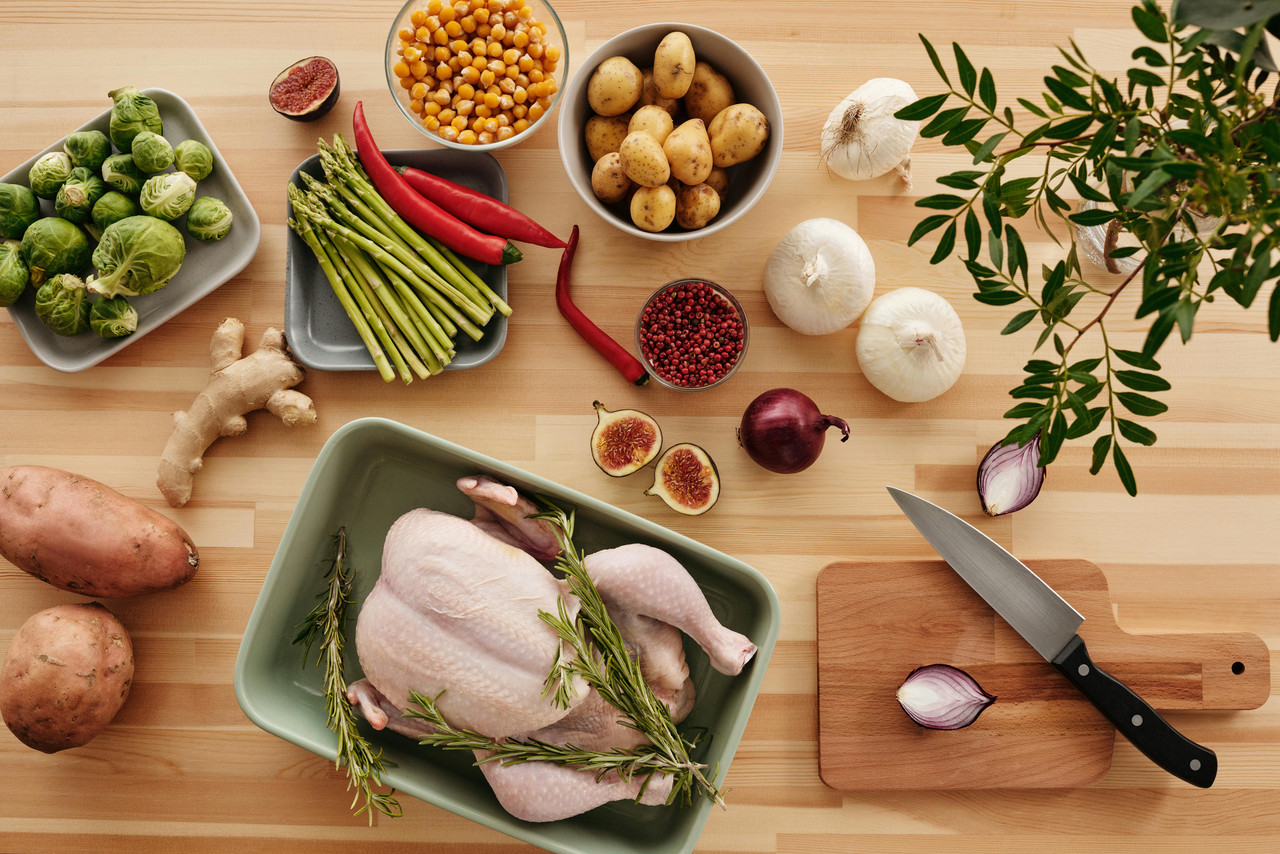
Healthy Meal Prep for Busy Adults: A Simple Modular Approach
Trying to eat well when life is busy can feel harder than it should. You finish work late, the fridge looks random, and suddenly takeaway seems easier than making something balanced.
The good news is that healthy meal prep does not have to mean spending your whole Sunday cooking complicated recipes. For most adults, a simpler system works better: prep a few flexible basics, mix and match them through the week, and keep meals easy enough to repeat.
This guide will show you how to meal prep in a way that is realistic, practical, and much easier to stick to.
Quick Answer
The easiest healthy meal prep system for busy adults is to prep components, not full meals.
That means cooking a few proteins, carbs, vegetables, and flavour add-ons in advance, then combining them into simple meals during the week. It saves time, reduces decision fatigue, and makes it easier to eat enough protein, fibre, and whole foods without feeling like you are eating the same thing every day.
What healthy meal prep actually means
A lot of people think meal prep means cooking five identical lunches in a row. That can work for a few days, but many people get bored fast.
A better option is modular meal prep.
Instead of making full recipes only, you prepare a few building blocks:
- 1 to 2 protein options
- 1 to 2 carbohydrate options
- 2 to 3 vegetables
- a few quick flavour extras like yoghurt sauce, salsa, hummus, olive oil, herbs, or spices
That gives you enough structure to eat well, without making food feel repetitive.
For example, the same cooked chicken can become:
- a rice bowl on Monday
- a wrap on Tuesday
- a salad on Wednesday
- a quick stir-fry on Thursday
That flexibility matters. The easier your food is to assemble, the more likely you are to follow through when work, kids, training, or general life gets messy.
Why this approach works better for real life
The biggest problem for most adults is not lack of nutrition information. It is friction.
When you are tired or busy, every extra step makes healthy eating less likely. Having ready-to-go ingredients removes a lot of that friction.
A simple meal prep system can help because it:
- cuts down daily decision-making
- makes balanced meals faster
- reduces the odds of skipping meals and overeating later
- helps you include more protein, fibre, and minimally processed foods
- reduces food waste because ingredients can be reused in different ways
Protein is especially useful here. Higher-protein eating patterns can help with fullness, weight management, and preserving lean mass, especially when paired with exercise.
That does not mean every meal needs to be perfect. It means having enough decent options on hand so the easiest choice is usually a good one.
How to build a healthy meal prep template
For most everyday adults, each main meal can follow a simple formula:
Protein + colour + smart carbs + healthy fats + flavour
Here is what that can look like in practice.
1. Start with protein
Aim to include a solid protein source in each main meal.
Easy options:
- chicken thighs or shredded chicken
- lean beef or mince
- salmon or tinned fish
- eggs
- Greek yoghurt or cottage cheese
- tofu, tempeh, edamame, or beans
Protein helps with fullness and supports muscle repair and maintenance, which matters whether your goal is fat loss, strength, healthy ageing, or just feeling more satisfied after meals.
2. Add vegetables or fruit
This is the part many adults underdo when life gets busy.
Keep it simple:
- roast a tray of broccoli, carrots, capsicum, or courgette
- buy pre-washed salad greens
- keep frozen vegetables in the freezer
- add fruit to breakfasts and snacks
3. Include a carbohydrate source that actually satisfies you
Carbs are not the problem. Poorly planned meals often are.
Smart, practical options include:
- rice
- potatoes or kūmara
- oats
- quinoa
- wholegrain wraps
- beans
- wholegrain pasta
These foods can support training, energy, and satiety, especially when combined with protein and fibre-rich foods.
4. Finish with fats and flavour
This is what stops “healthy food” from tasting bland.
Useful extras:
- olive oil
- avocado
- nuts or seeds
- feta
- hummus
- salsa
- tahini
- Greek yoghurt-based dressings
- herbs and spice blends
This part makes your prepped ingredients feel like actual meals rather than leftovers.
A realistic 90-minute meal prep plan
You do not need a perfect Sunday ritual. You just need a repeatable system.
Here is a practical example.
Step 1: Pick your basics
Choose:
- 2 proteins
- 2 carb options
- 2 to 3 veg options
- 2 sauces or flavour add-ons
Example:
- Protein: chicken mince, boiled eggs
- Carbs: rice, potatoes
- Veg: roasted broccoli, salad mix, cherry tomatoes
- Extras: hummus, salsa, olive oil, Greek yoghurt dressing
Step 2: Cook in parallel
While the rice cooks:
- roast potatoes and vegetables
- cook mince in a pan
- boil eggs
- portion sauces and snacks
Step 3: Store by component
Instead of building every meal now, store ingredients separately where possible.
That way you can quickly turn them into:
- lunch bowls
- wraps
- salads
- quick dinners
- higher-protein breakfasts
Step 4: Keep one backup plan
Always have a low-effort option in reserve.
Good examples:
- rotisserie chicken
- microwave rice
- tinned tuna
- frozen veg
- high-protein yoghurt
- fruit
- nuts
- wholegrain crackers
That backup layer matters because consistency usually comes from having a Plan B.
Easy healthy meal prep ideas for the week
Here are a few simple combinations that work well for busy adults.
1. Chicken rice bowl
Cooked chicken, rice, roasted veg, avocado, and a yoghurt-based dressing.
2. High-protein lunch wrap
Wholegrain wrap with shredded chicken, salad, hummus, and grated carrot.
3. Fast breakfast bowl
Greek yoghurt, oats, berries, chia seeds, and a scoop of protein powder if needed.
4. Eggs on toast with extras
Boiled or scrambled eggs on grainy toast with spinach and tomato.
5. Salmon and potatoes
Cooked salmon, baby potatoes, greens, and olive oil or lemon dressing.
6. Bean and mince bowl
Lean mince, black beans, rice, salsa, and chopped salad.
None of these need to be fancy. The goal is to make balanced eating easier, not more impressive.
Common meal prep mistakes
A lot of meal prep fails for the same reasons.
Making everything too complicated
If your prep routine feels like a full-time job, you will not keep doing it.
Cooking meals you do not actually want to eat
Healthy food still has to taste good. Build around foods you genuinely enjoy.
Not prepping enough protein
Many adults are fine at preparing carbs and snacks, but underdo protein. That often leaves meals less filling.
Having no emergency options
When the week goes sideways, convenience wins. Keep a few good convenience foods in the house.
Ignoring food safety
Meal prep only helps if the food is still safe and appetising to eat.
As a simple rule, cool food promptly, refrigerate leftovers within a couple of hours, and aim to eat most cooked meals within 3 to 4 days.
How long does meal prep last?
As a simple rule:
- most cooked meals and cooked meats are best used within 3 to 4 days in the fridge
- cooked grains also have a limited fridge life, so it can help to freeze extra portions
- eggs last longer, but prepared mixed dishes should still be treated more carefully
- when in doubt, throw it out
Using clear containers, cooling food properly, and freezing extra portions can make meal prep much easier to manage safely.
What most people really need to know
You do not need a perfect macro spreadsheet or a fridge full of identical containers.
You need a system that helps you eat reasonably well on ordinary days.
For most adults, that means:
- getting some protein into each meal
- eating more vegetables and fruit
- keeping easy carb options on hand
- making healthy meals convenient
- having backup foods for busy days
- repeating a simple prep routine each week
That is enough to improve consistency, and consistency matters more than chasing a perfect plan you cannot maintain.
Final Thoughts
Healthy meal prep for busy adults works best when it is simple, flexible, and realistic.
Forget the all-or-nothing version. Prep a few basics. Keep meals easy. Build enough structure that good choices become convenient.
That approach is more sustainable, easier to stick to, and much more useful in real life than trying to cook a week of perfect meals every Sunday.
Common Inquiries on this Topic
FAQs
What is the easiest way to start meal prepping?
Start with just three things: one protein, one carb, and one vegetable. Do that for a week before adding more variety.
How much meal prep should I do each week?
For most adults, 60 to 90 minutes is enough to cover several lunches, some breakfast options, and a few dinner shortcuts.
Do I need to meal prep every meal?
No. Even prepping just lunches, proteins, or a few grab-and-go foods can make the whole week easier.
Is meal prep good for fat loss?
It can help because it makes portions, protein intake, and food choices more consistent. Fat loss still depends on the overall pattern of eating, not just whether food is prepped.
What if I get bored eating the same food?
Prep components instead of identical meals. Changing sauces, wraps, bowls, salads, or sides makes the same basics feel different.
References & Clinical Sources
Dietary Guidelines for Americans, 2020–2025.
Leidy HJ et al. The role of protein in weight loss and maintenance.
Nunes EA et al. Systematic review and meta-analysis of protein intake and resistance exercise.
Moon J, Koh G. Clinical evidence and mechanisms of high-protein diet use.
FoodSafety.gov cold food storage and leftovers guidance.

H. Richards
Personal TrainerWith over 20 years of experience coaching high performers, H. Richards delivers precision training frameworks built on evidence and practical application. His approach cuts through the noise to help you achieve sustainable results, backed by consistently excellent 5-star client reviews.
Explore Coaching ProgramsIf you want help building a nutrition and training routine that fits real life, get in touch and we can help you create a plan you can actually stick to.
Take our 2-minute assessment to evaluate your current protein intake and training consistency.
Take the Free AssessmentRelated Guides & Protocols
 General
Creatine Explained: Benefits, Dosage, Safety, and Who It’s For
Creatine is one of the most researched supplements available, but a lot of people still are not sure what it actually does. This guide explains the real benefits, how to take it, and who should be cautious in plain English.